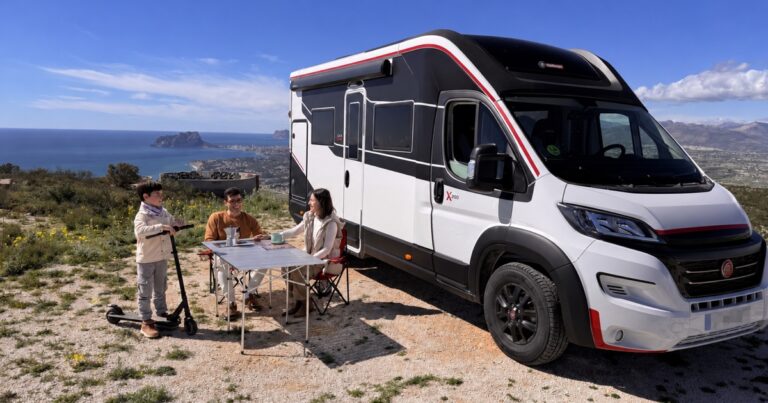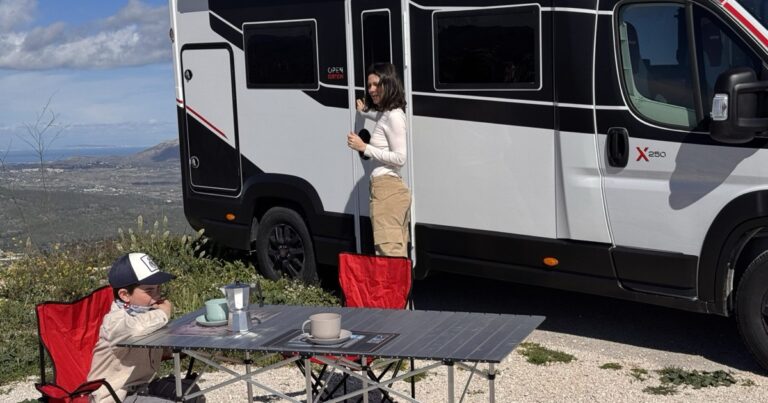
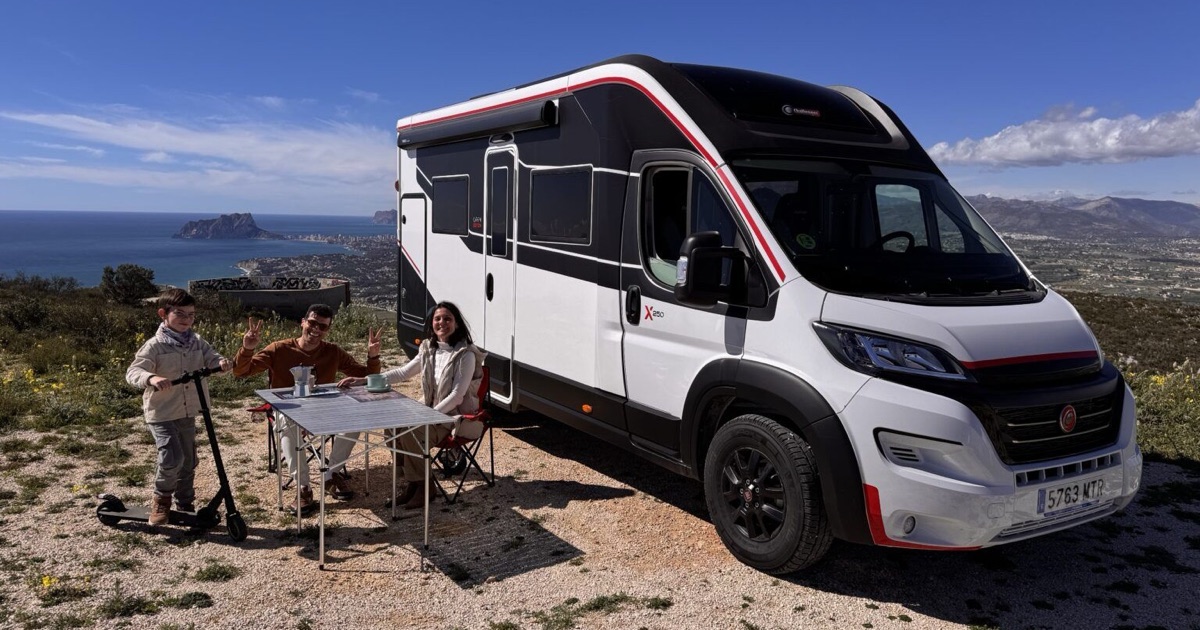
Benitachell is a useful starting point because a route can change character without first crossing half the country. One day can be about coastal viewpoints; another can focus on a castle, an old town or an inland landscape. The question is not how many names you can fit on a map. It is which places deserve enough time to enjoy them.
The six destinations below are route ideas, not overnight-parking recommendations. Rules, access and capacity can change. Before each visit, check official information, current road signs and a legal place to park a motorhome. If you plan to stay overnight, confirm that separately with a campsite, authorised motorhome area or the relevant local authority.
1. Jávea / Xàbia: viewpoints and protected coastal landscapes
Xàbia is a strong opening idea when you want the trip to begin with the sea. The municipality's official English guide describes 15 viewpoints along 25 kilometres of coastline and highlights protected landscapes including Montgó Natural Park, the Cap de Sant Antoni Marine Reserve, Portitxol Bay and Granadella Forest Park.
Those names should help you choose a theme, not encourage you to drive the camper to every viewpoint. Some scenic accesses may be narrow, busy, regulated or unsuitable for a larger vehicle. Select one area, check the current access conditions, park only where the X250 fits legally and walk the final section when appropriate.
Use the official Xàbia visitor guide for ideas and current tourism contacts. Our page about camper hire near Jávea / Xàbia explains the Cumbres Camper starting point and vehicle in Spanish.
Best for: a first coastal day with one planned walk or viewpoint rather than a rushed checklist.
2. Moraira and Teulada: coast and inland heritage in one stop
Moraira and Teulada offer two related but different sides of the municipality. Spain's official tourism portal highlights Moraira's coves—including Platgetes, Portet and L'Ampolla—and the castle beside L'Ampolla, while Teulada brings inland streets and vineyard heritage into the same destination story.
That makes the area useful for a flexible day: choose the coast, the inland centre or one of each, depending on weather, access and what the group enjoys. Do not assume that a beach car park or a central street permits overnight stays. Follow the signs in place and separate the sightseeing plan from the overnight plan.
Read the official Teulada-Moraira destination information and our local page on camper hire near Moraira.
Best for: travellers who want a choice between a coastal stroll and an inland town rather than another long driving stage.
3. Dénia: a castle above a living port town
Dénia works well when the group wants history, town life and a broad view in the same visit. The official tourism site places Dénia Castle on a hill in the city centre, with views over the town, the sea and Montgó.
The castle is the reason to plan the stop, but the historic centre is also the reason not to improvise access with a motorhome. Find a legal space that suits the vehicle, check any current restrictions and approach the centre on foot or by an appropriate local connection. Opening conditions and visitor arrangements can change, so check the official source on the day you plan to go.
See Dénia Tourism's castle information before visiting.
Best for: a day centred on history and a town visit, with the vehicle left outside unsuitable central streets.
4. Calpe / Calp: the Peñón, the old town and archaeology
Calpe has several possible focal points. Its official tourism information features the old town, the surviving wall and Torreó de la Peça, as well as the Roman archaeological site known as Baños de la Reina. The Peñón de Ifach is the destination's defining natural landmark.
Do not treat all three as compulsory in one visit. Choose according to the weather, the group's walking ability and current access conditions. The official Peñón de Ifach page states that an appointment is required to visit and warns that the route becomes more difficult beyond the tunnel. Verify the latest booking and safety information directly before setting out.
Use Calpe's official pages for cultural tourism and the Peñón de Ifach. Follow local parking signs and never assume that access to the landmark includes motorhome parking or an overnight stay.
Best for: choosing one substantial walk or cultural focus, then allowing time for the day to breathe.
5. Altea: a hilltop old town worth approaching slowly
Altea's recognisable hilltop silhouette, church square and historic gateways make it a natural change from a beach-only itinerary. The official visitor material identifies the old town and its historic access points as central parts of the experience.
This is a place to enjoy on foot, not a challenge to see how close the camper can get to the old streets. Check current municipal guidance, choose legal parking that genuinely accommodates the vehicle and walk into the historic centre. If the suitable option is full, use the backup rather than entering a restricted or uncomfortable street.
Plan the visit with the official Visit Altea guide.
Best for: an evening or slower town visit built around walking, views and the historic centre.
6. El Castell de Guadalest: an inland counterpoint to the coast
Guadalest changes the mood of the route. The municipality describes a historic village set on rock, while the regional tourism site highlights the old centre, the remains of San José Castle and the reservoir landscape below.
An inland destination requires a different planning mindset from a broad coastal road. Check the route, weather, official access information and the suitability of the roads and parking for the vehicle before leaving. Do not use a scenic viewpoint, roadside space or reservoir access as an assumed overnight stop.
The El Castell de Guadalest municipal tourism site and the official regional page for El Castell de Guadalest are the right places to check visitor information.
Best for: adding an inland historic village and mountain landscape to a route that has already spent time on the coast.
Turn six ideas into one realistic route
These destinations should not all be forced into a short trip. Group them by the experience you want and the amount of moving your group enjoys.
- Local coast: Jávea / Xàbia and Moraira-Teulada can form two distinct days without making distance the objective.
- Town and heritage: Dénia, Calpe and Altea each deserve a chosen focus rather than a quick photograph.
- Inland contrast: Guadalest works best when the day is planned around the road, weather and the visit itself.
Keep at least one part of the itinerary optional. A place can be too busy, the weather can change, or a legal parking option can be unavailable. A route is stronger when changing the plan feels normal.
Once you have chosen the places, the slow three-day Costa Blanca route from Benitachell shows how to turn a shortlist into an unhurried sequence.
The rules travel with you
The DGT's 2026 guidance distinguishes legal parking from camping activity. When parked, comply with the road rules and signs, keep everything within the vehicle's perimeter, do not put out outdoor furniture or an awning, and never discharge fluids. Municipal rules can regulate specific places, so check them at every destination.
Use a campsite or authorised motorhome area when you want to camp, use services or stay overnight with certainty. The official DGT motorhome page and the 2026 instruction update provide the national starting point; local signs remain essential.
Plan the route around the Challenger X250
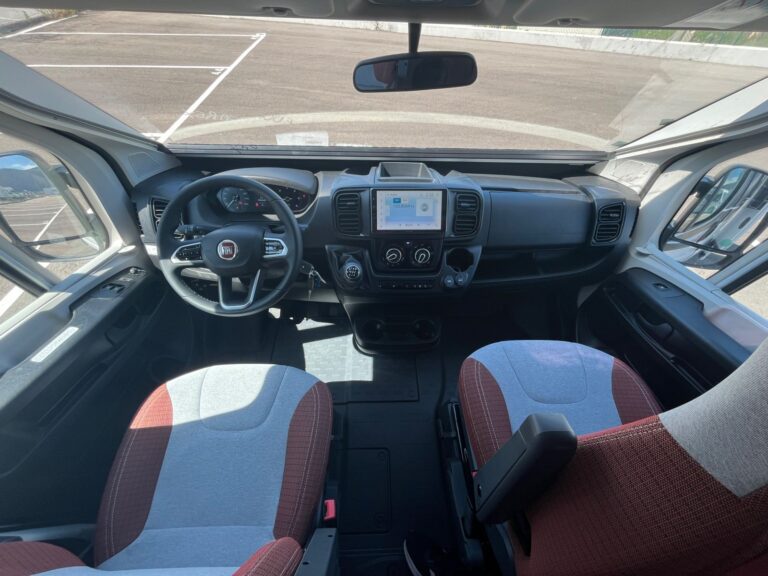
The Challenger X250 has four travel seats, sleeping space for up to four, an equipped kitchen, fixed toilet, separate shower and flexible storage. That makes it suitable for different route styles, but every group uses the space differently.
Review the FAQ, check availability and tell Cumbres Camper what kind of trip you have in mind. Javier can help in English and Ana in Spanish. If the route raises a practical question about the vehicle or collection in Benitachell, contact the team directly before making the itinerary rigid.
Share the road